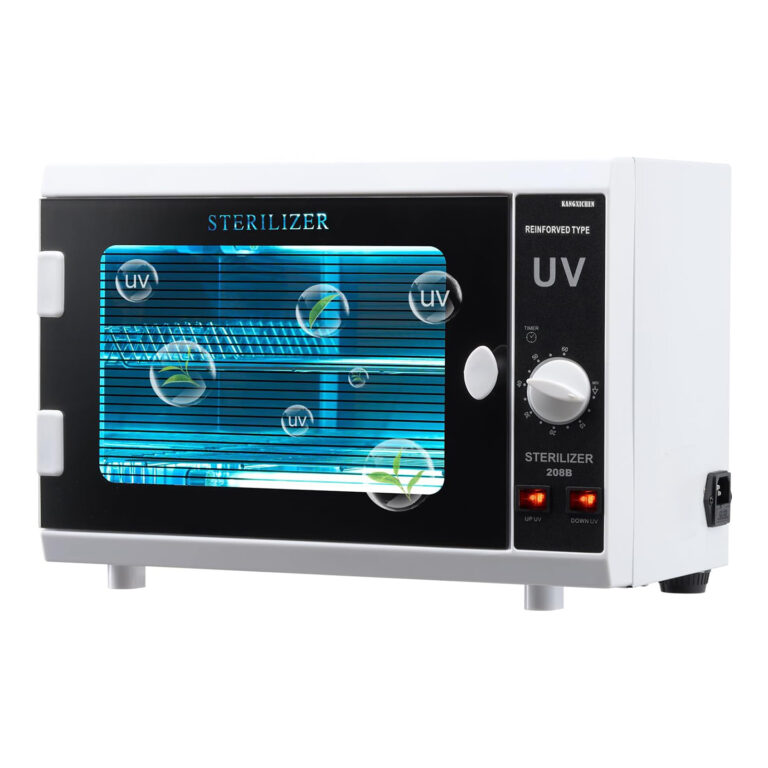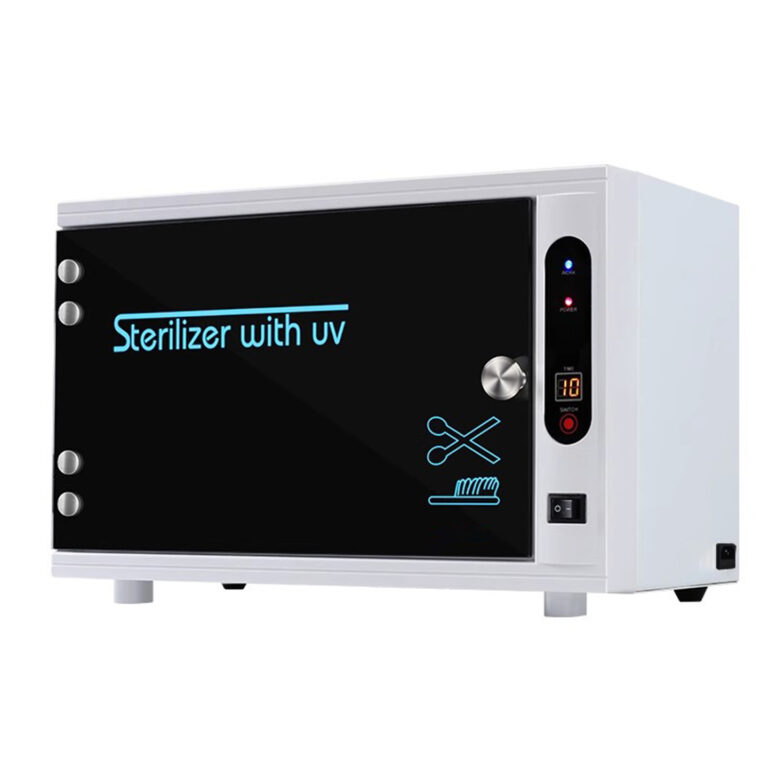
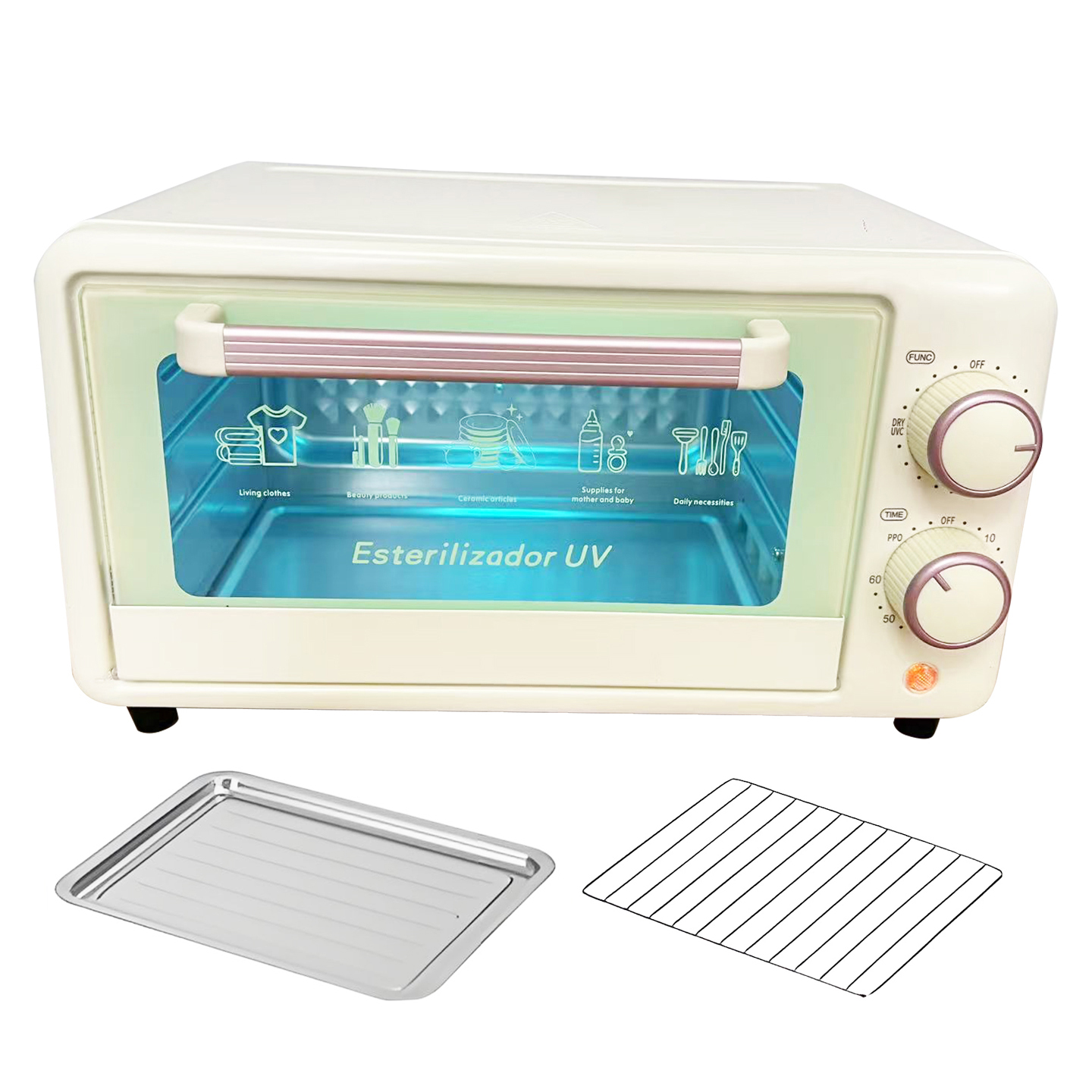
UV Light Nail Tool Sterilizer Machine – Dry Heat Cabinet UV Light Sterilizer, Manicure Tool Sterilizer Cabinet, Barber Salon Tools SterilizerCredit Bank, which offers loans to people without credit score, has raised $15M
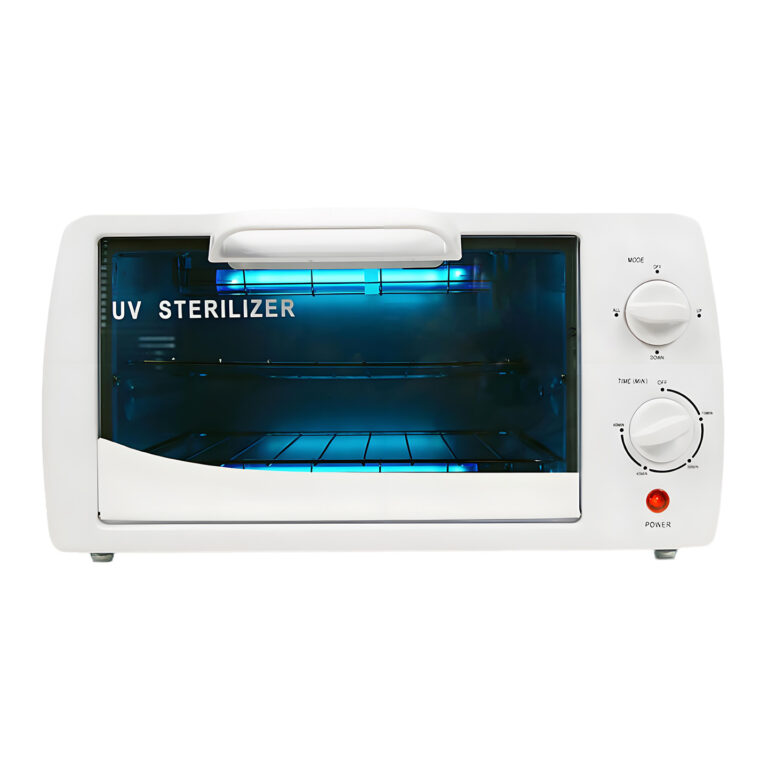
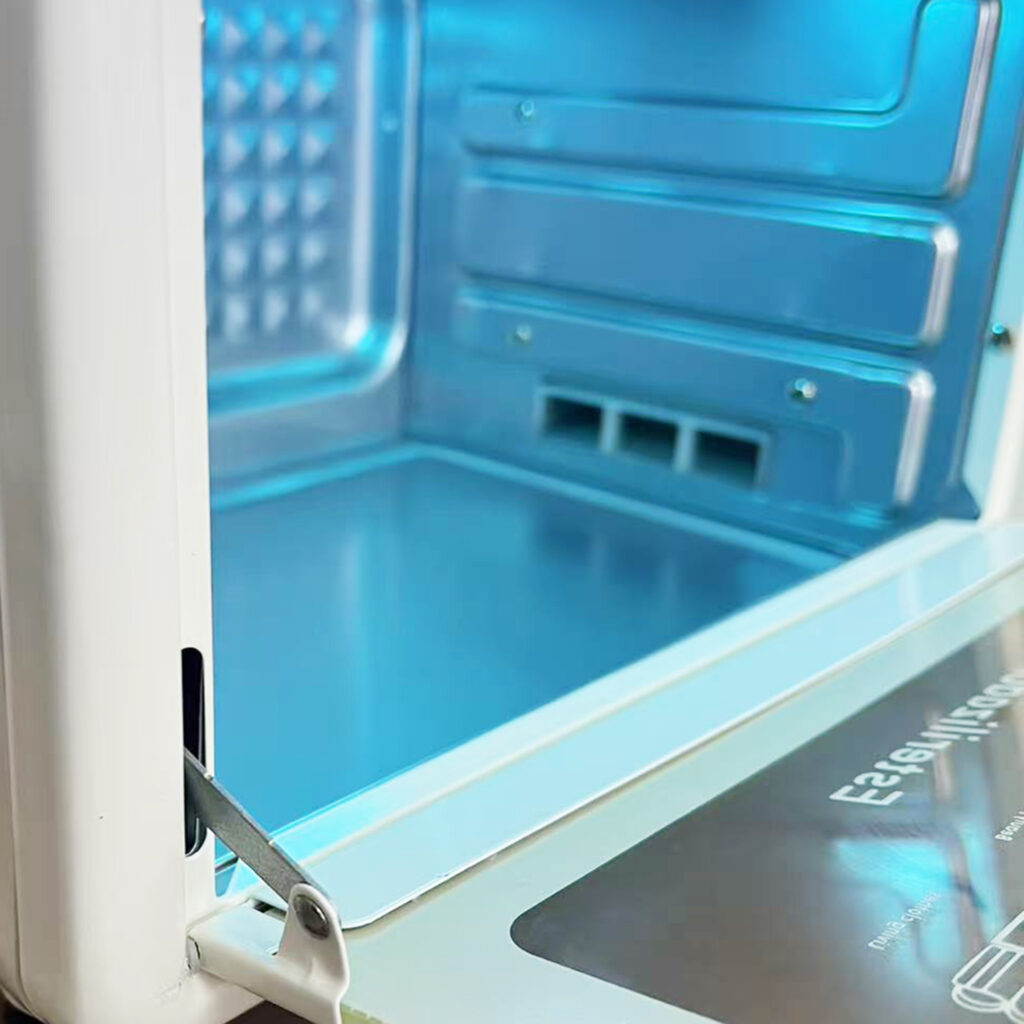
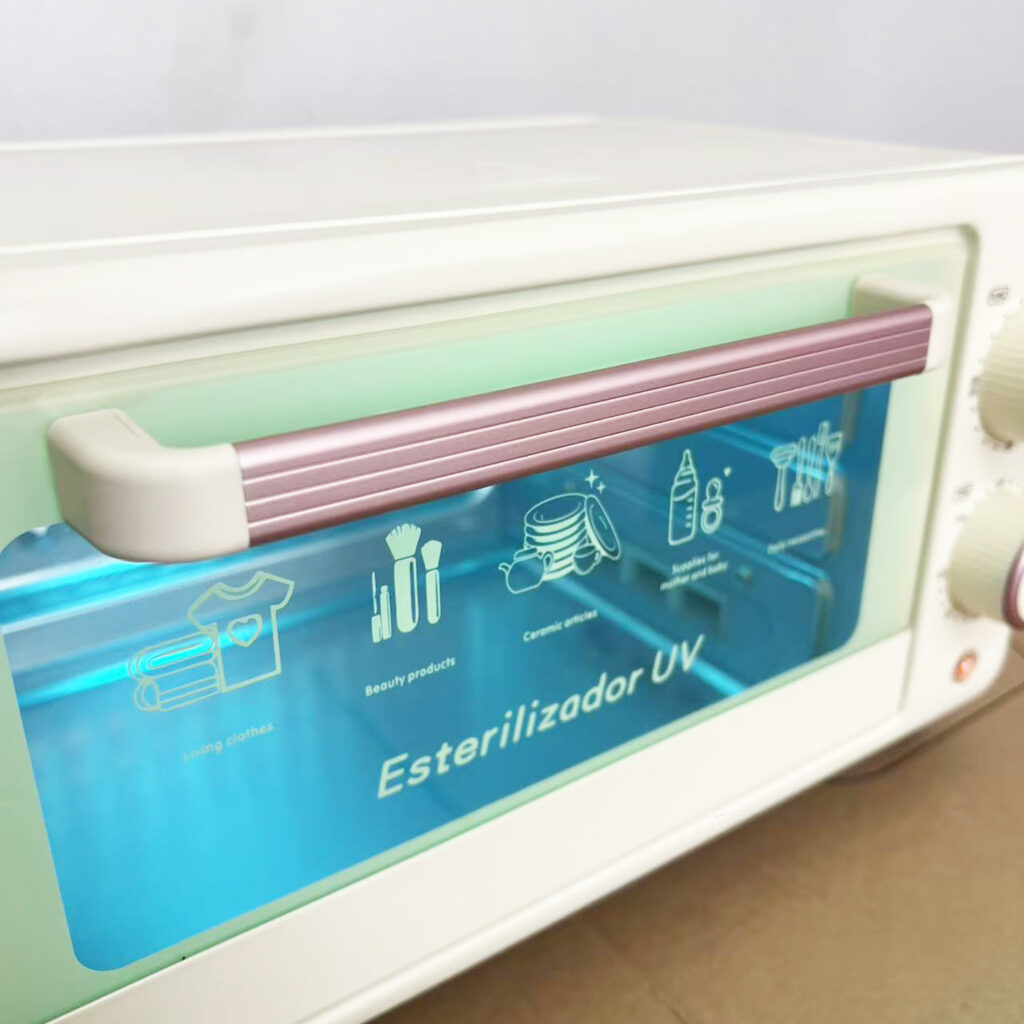
1、 Product parametersProduct Name: Multi functional Dual tube UV Disinfection CabinetCapacity: 12LInstallation method: cabinet typeBrand: OtherAppearance: Single doorDisinfection method: UV+trace ozone+hot air drying (pasteurization)Disinfection time: ≥ 30 minutesPrice range: 135-165 RMBPower supply voltage: 110-230VRated power: 12WRated voltage: 110V~230VOrigin: Foshan City, Guangdong ProvinceNet weight: 3KGGross weight: 3.5KGPanel material: High quality color boardInner liner material: stainless steelProduct…
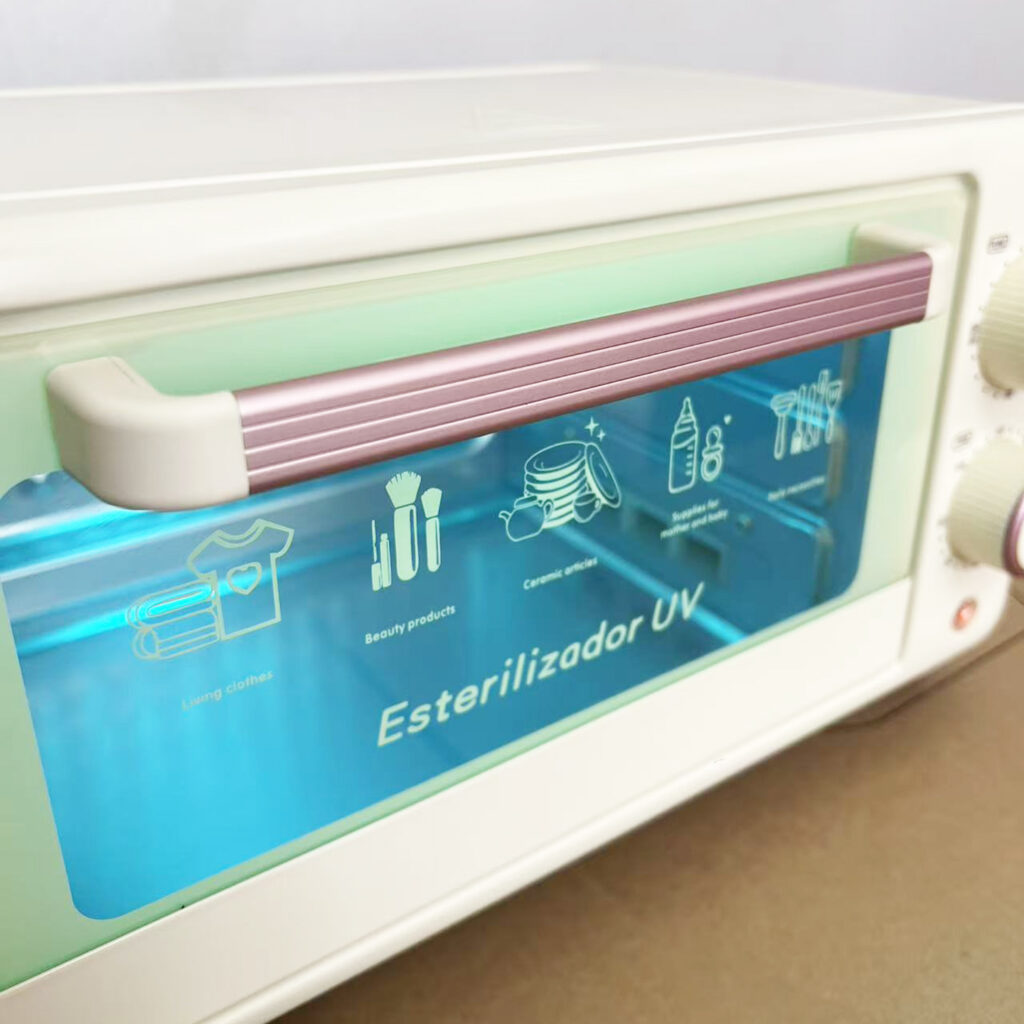
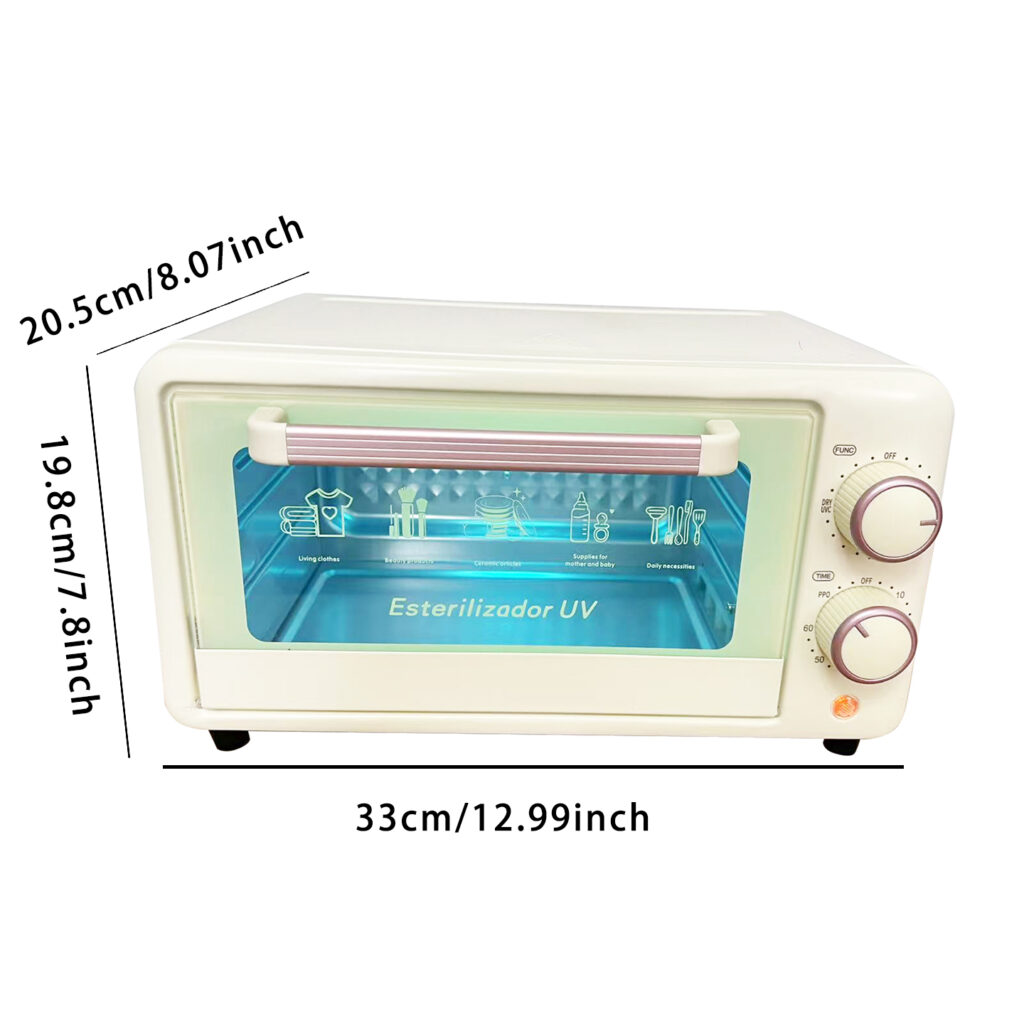
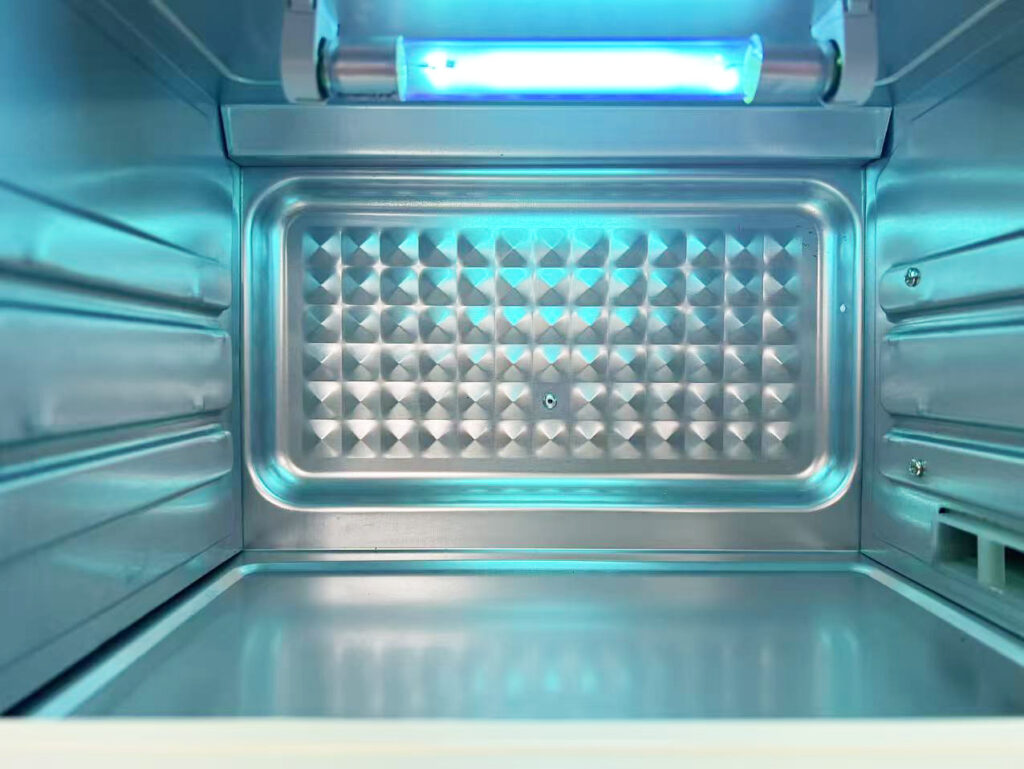
1、 Product parameters
Product Name: Multi functional Dual tube UV Disinfection Cabinet
Capacity: 12L
Installation method: cabinet type
Brand: Other
Appearance: Single door
Disinfection method: UV+trace ozone+hot air drying (pasteurization)
Disinfection time: ≥ 30 minutes
Price range: 135-165 RMB
Power supply voltage: 110-230V
Rated power: 12W
Rated voltage: 110V~230V
Origin: Foshan City, Guangdong Province
Net weight: 3KG
Gross weight: 3.5KG
Panel material: High quality color board
Inner liner material: stainless steel
Product size: 37 * 20.5 * 24.5CM
Packaging size: 42 * 26.5 * 29.6CM
Stacking layers: 2 layers
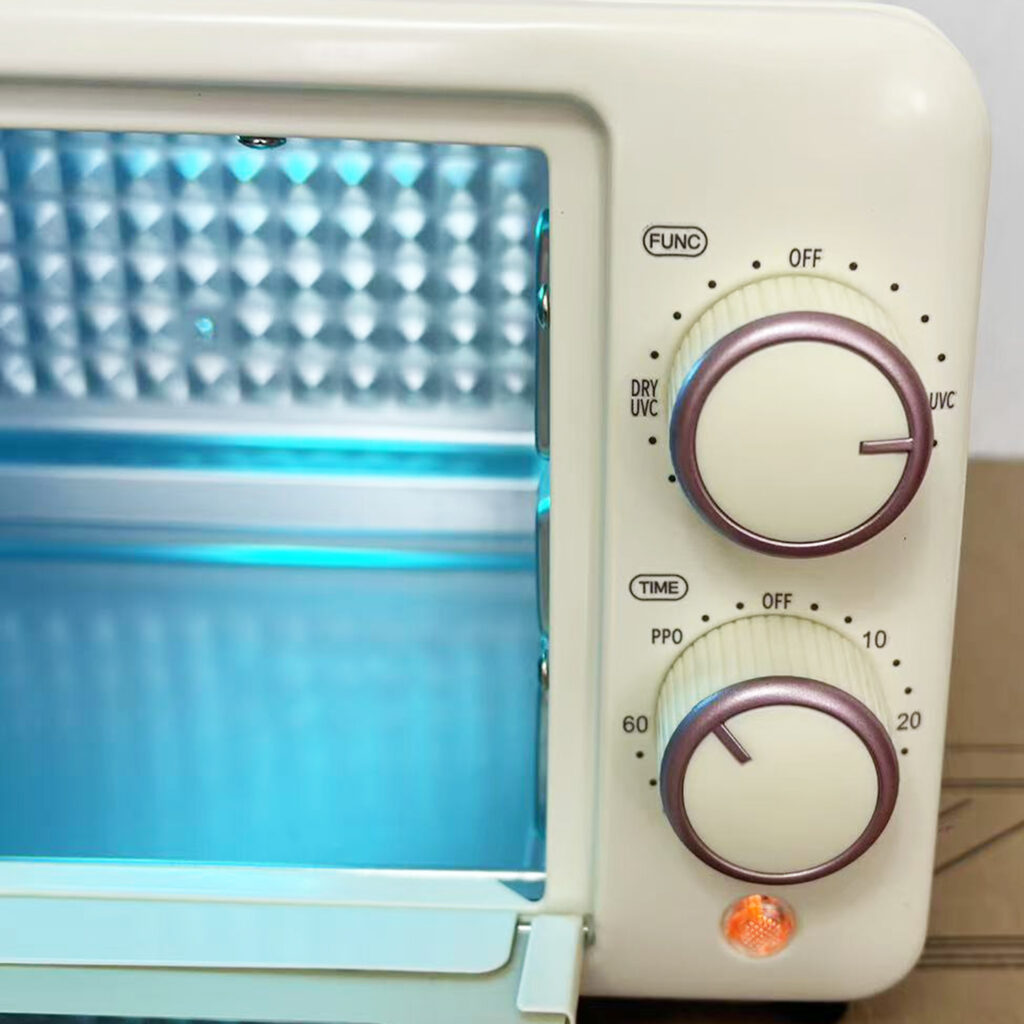
Control mode: mechanical control
Washing method: wiping
Opening and closing method: front opening
Color: White (customizable for large quantities)
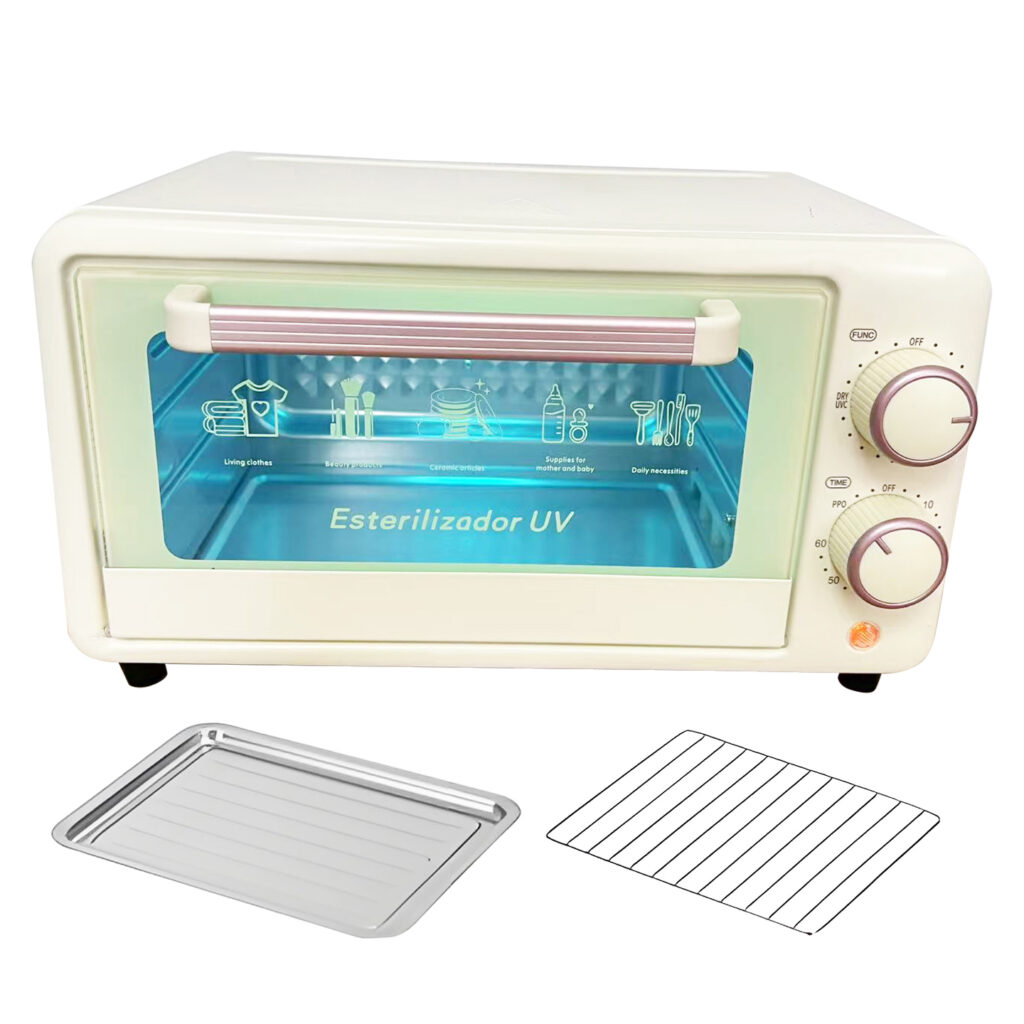
Product List: Host * 1+Rack * 2
2、disinfection cabinet Product Special
operation mode
-Two ultraviolet light tubes, corresponding to two switches and two timers. You can choose to turn on only one lamp or use two lamps at the same time.
Applicable items
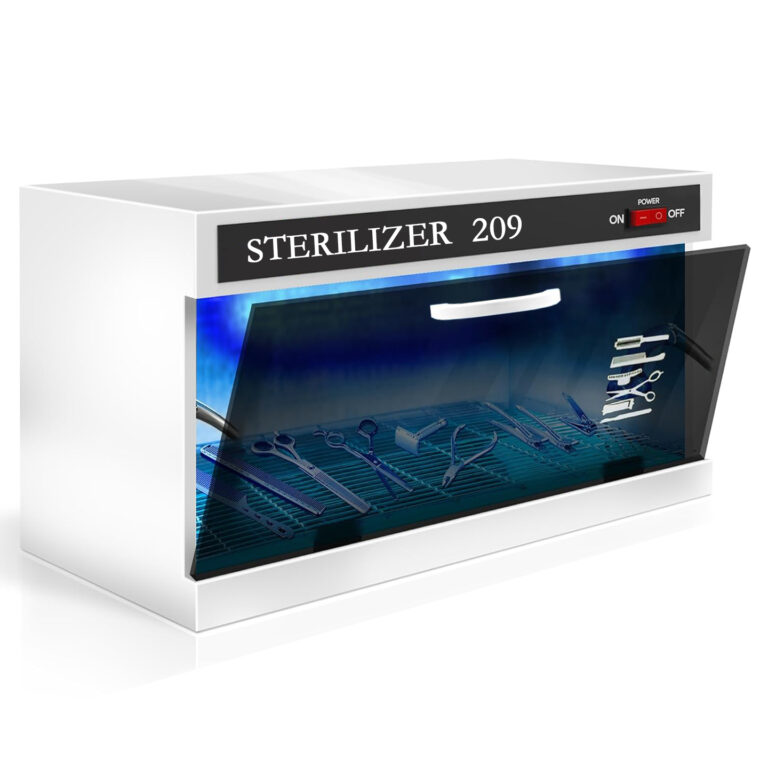
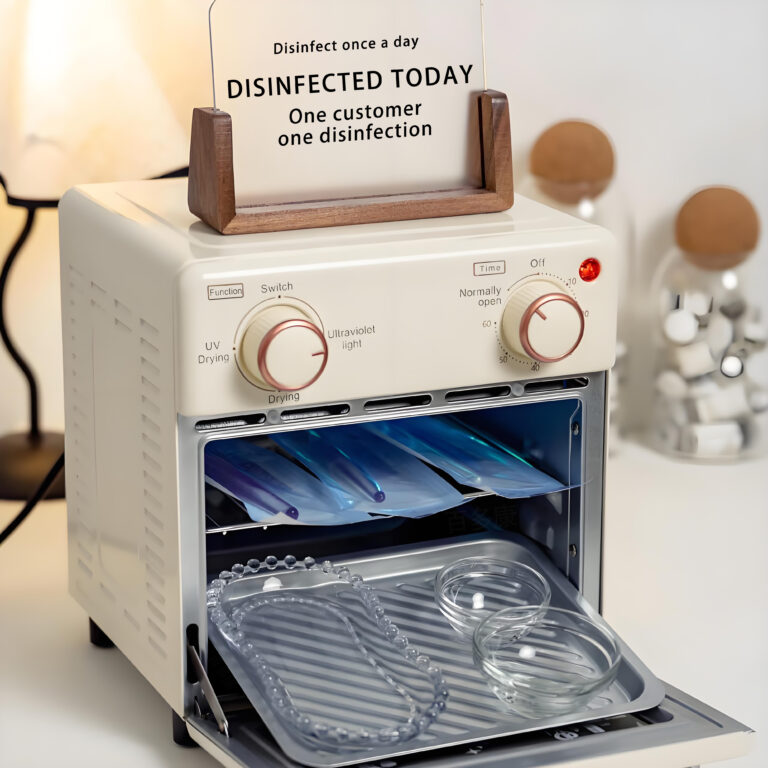
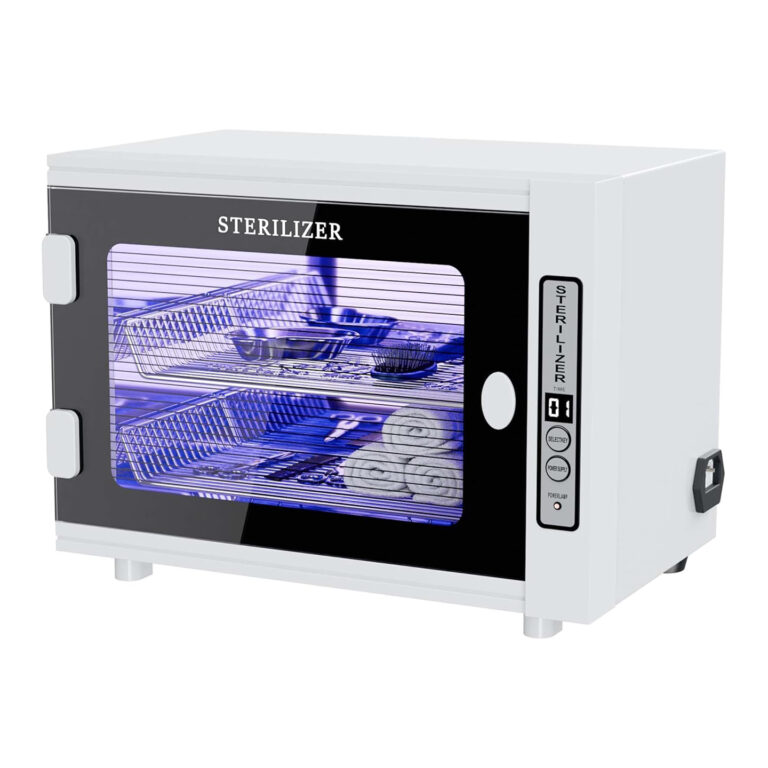
-Suitable for nail tools, dental tools, tea sets, towels, masks, glasses, keys, tableware, underwear, clothing, watches, mobile phones, bottles, jars, scissors, combs, makeup brushes, dentures, and all other items.
Items that can accept room temperature light disinfection and ozone disinfection can choose to use only one lamp tube for disinfection when disinfecting a small amount of items.
Items that can accept light disinfection and 80 ℃ hot air drying (pasteurization) for disinfection.
Applicable scenarios
Suitable for various scenarios, such as beauty salons, hair salons, barber shops, nail salons, skin management centers, hotels, pedicures, hospitals, clinics, dental clinics, home use, tattoo shops, eyelash salons, piercing shops, pet shops, dental clinics, tattoo shops, etc. All items that can accept room temperature light disinfection and ozone disinfection. When disinfecting a small amount of items, you can choose to only turn on one of the light tubes for disinfection.
3、 Introduction to disinfection principle:
Ultraviolet Disinfection
-The core principle of ultraviolet disinfection is to destroy the genetic material (DNA or RNA) of microorganisms, causing them to lose their ability to reproduce and survive, thereby achieving the effect of sterilization and disinfection.
Specifically, ultraviolet light (especially the UVC band with wavelengths between 200-280nm, also known as “bactericidal ultraviolet light”) can penetrate the cell membrane of microorganisms and act on their internal nucleic acids
Formation of pyrimidine dimers: Ultraviolet radiation can crosslink thymine (or uracil) bases in DNA or RNA molecules, forming dimers. This structure will disrupt the normal base pairing rules of nucleic acids.
Blocking the transmission of genetic information: Damaged nucleic acids cannot replicate and transcribe normally, and microorganisms cannot divide to produce new individuals or synthesize proteins that sustain life activities. Eventually, they will die or become inactive due to metabolic disorders and inability to reproduce.
In addition, ultraviolet radiation can also damage the cell membrane and enzyme system of microorganisms, further enhancing the disinfection effect. However, its disinfection effect is affected by factors such as UV intensity, irradiation time, microbial species, and environmental obstructions.
Tip: UVC ultraviolet rays are harmful to human skin and eyes, and protection should be taken when using them.
Ozone Disinfection
The core principle of ozone disinfection is to utilize the strong oxidizing properties of ozone to destroy the cell structure and biomolecules of microorganisms, thereby achieving the effect of sterilization and disinfection.
The specific mechanism of action can be divided into the following aspects:
- Oxidative damage to cell membrane**
Ozone (O3) has extremely strong oxidizing ability and can undergo oxidative reactions with lipids (such as phospholipids and unsaturated fatty acids) on microbial cell membranes, disrupting the integrity and permeability of the cell membrane, leading to leakage of core substances such as proteins and nucleic acids inside the cell, and the loss of the foundation of microbial life activities. - * * Degradation of biomolecules**
-For * * protein * *: Ozone can oxidize functional groups such as peptide bonds and thiol groups (- SH) in protein molecules, causing denaturation, coagulation, and loss of enzymatic activity and physiological functions of the protein;
-Ozone can oxidize the phosphodiester bonds and bases on the nucleic acid chain, damaging the genetic structure of nucleic acids and preventing microorganisms from replicating and reproducing. - * * Decompose harmful organic compounds**
In addition to sterilization, ozone can also oxidize and decompose some organic pollutants in water or air (such as formaldehyde, benzene, ammonia, etc.), converting them into harmless or low toxic substances (such as CO ₂, H ₂ O), which have both disinfection and purification effects.
Hot air drying: Pasteurization and sterilization
The core principle of pasteurization is to use the thermal effect of lower temperatures to destroy the enzyme system and cell structure of microorganisms, while maximizing the preservation of the nutrition and flavor of food.
The specific mechanism of action can be divided into the following points:
- * * Disrupt enzyme activity**
The life activities of microorganisms rely on the catalysis of various enzymes in the body, and the essence of enzymes is proteins. The temperature of pasteurization (usually 60-85 ℃) can cause key enzymes (such as respiratory enzymes and metabolic enzymes) in microorganisms to undergo thermal denaturation, disrupt their spatial structure, and lose their catalytic function, leading to metabolic disorders, inability to reproduce, and even death of microorganisms. - Damage to cellular structure**
Low temperature heat can disrupt the fluidity and integrity of microbial cell membranes, causing damage to the lipid bilayer structure on the cell membrane and leakage of core substances such as nucleic acids and proteins, further inhibiting microbial life activities. - * * Targeted inactivation of pathogenic bacteria**
Pasteurization does not completely kill all microorganisms, but focuses on inactivating pathogenic bacteria that are harmful to the human body (such as Mycobacterium tuberculosis, Salmonella, Escherichia coli, etc. in milk), while retaining a small amount of non pathogenic microorganisms that do not affect the flavor and quality of food. Therefore, it can reduce the damage to food nutrition (such as vitamins) and taste while ensuring food safety.
There are two common processes for pasteurization:
-Low temperature long-term method (LTLT): 62~65 ℃ for 30 minutes;
-High temperature short-term method (HTST): Maintaining at 72-75 ℃ for 15-30 seconds results in higher efficiency and less damage to nutrients.
【Recommended Related Products 】
UV sterilizer
disinfection cabinet
High Temperature Sterilizer
Hot Stones Massage Heater
Hot Towel Cabinets
Massage Oil Warmer
Wax melters